
Tuareg Women (last copy)
by Christine de Grancy
Photographs: Christine de Grancy
Publisher: Kulturverein Schloss Goldegg
128 pages
Year: 2000
ISBN: 9783901152078
Price: 44 €
Comments: soft cover
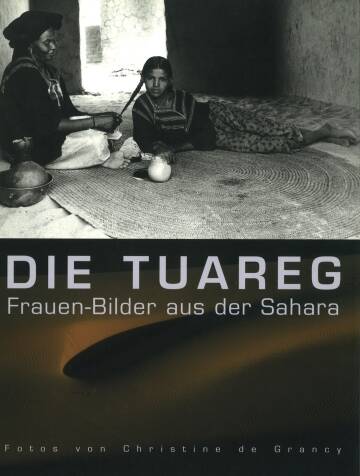
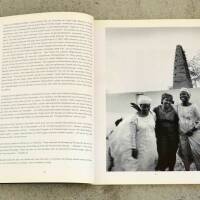
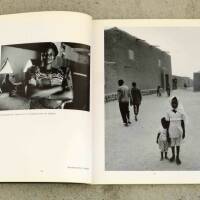
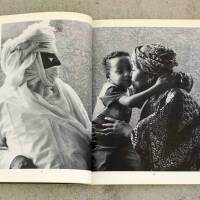
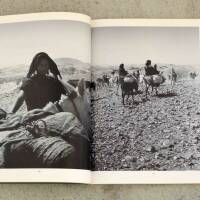
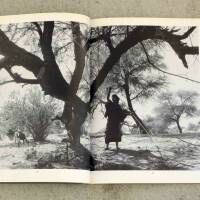
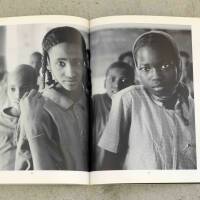
From 1984 to 1987 I got to know a smallish part of the Sahara; one in which a never-ending tragedy is taking place. I was working on a book on the lives of one of the endangered tribes in the world, the Sahraouis, in an Algerian refugee camp near Tindouf. The book was to deal with the freedom movement called Frente Polisario. With it's freedom fighters I managed to penetrate into their principal territory: the former colony of Spanish Western Sahara. Morocco has continually claimed this territory, and as a much stronger neighbour, lobbied for it's annexation to it's kingdom. The rest of the world has looked on in indifference as the Kingdom strips the territory of it's sovereignty. It was then that the appalling problems of the Tuaregs in Southern Algeria first came to my attention. In the refugee camps of the Sahraouis, situated in the inhospitable regions of Tindouf, the older women would tell stories about their former nomadic life, contrasting very strongly to their present life in the astonishingly well-organised refugee camps of the Sahraouis. Yet they displayed an iron will to return to their former existence. It was clear to them that, if were they to be given an own state, be it through fighting or tough negotiations, their nomadic lives would have to be altered dramatically. It is impressive how , having very scarce means at their disposal, these people try to adapt to the rhythm of modern life. With calculated steps they try to find a connection to the rest of the world, not letting go of their own traditions, even as refugees, instead, trying to continue a normal life. We Westerners and Europeans, having branded our own style of modernity for generations, can hardly keep up with what we have come to label progress. Our deep-rooted anxiety has been fundamentally destructive. We seem to have ventured out to the edge of the abyss. Oblomov, Iwan Gontscharow's controversial 19th century figure, makes us able and restless modern people see the core of the matter: ''.....we all infect each other with our agonising worries and ennui, all fervently seeking something. Behind this mask of activity lies our true lack of compassion and general emptiness.'' Through this lack of compassion we destroy the variety and richness of life itself, it's nature and the very human beings in their respective differences, which have evolved throughout thousands of years. Now we seem to strive for global unity, possibly the last colonisation of man as a free thinker. Global connection and streamlining of millions of people has become possible through new media and information technology. Western economies with their refined advertising and consumer strategies , tourism and multiple event spectacles all work like drugs to drive humanity into ultimate, possibly not unpeaceful, slavery. People's living conditions on this planet are still varied , sometimes extreme and their adaptability enormous. Let's take Tuareg women as an example, having experienced how they tend to their herds of goats, in correspondence, freedom and respect for the awesome nature of the Sahara desert is an unforgettable experience. To talk about the power and loss of this freedom alone is impossible, as we tend to use the word without really knowing it's deepest and truest meaning. Maybe there is a curse on the sedentary , always dishing up something stiff, monotonous and final, like an early death gnawing away at life. People, who are prepared to transcend the boundaries and risk freedom at each step develop a different perspective on life. On the contrary, those who are captive of their own lethargy, tend to be entirely without any joie de vivre, some of these have produced great prisons. For this reason, Tuareg women, as well as the Sahraouis, fear the rise of Fundamentalism in their vicinity. Until now , their free lifestyle guaranteed a high degree of respect for their husbands, for their freedom and self-worth. The Spanish-Arabic philosopher Averroes-Ibn Ruschd (1126-1198) , strongly influenced by Plato, criticised Muslim attitude to women.'' In our state, we have no idea what capacities women have, other than their reproductive function. For this we turn them into man's servant, to feed and raise children. This destroys whatever other quality is in them. Because women are not recognised as having any other human qualities, they are often compared to plants. The fact that she is seen to be nothing but a burden to man, explains why these states are so poor.'' The apparent matriarchal structure of the Tuaregs defies this. Generally speaking, one could assume that nomadic life in the Sahara necessarily requires alert partners, often having to decide together on survival strategies. This is encapsulated in a saying I picked up from the Sahraouis: ' We'll sleep only when we're dead.' One can still admire the beauty of their dignified walk. 'Targia' is the name for the light yet burdened steps of life. Generations have crossed the Sahara, as they have, searching for the absolutely necessary for their families and animals. Nothing more, nothing less. This taught me the true meaning of the word necessity.
> see also Christine de Grancy's fine art prints
More books by Christine de Grancy
-
Pakistan (signed - last copy)
by Christine de Grancy
Euro 35 -
Lebenszeichen (signed)
by Christine de Grancy
sold out -
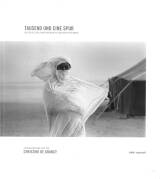
Tausend und eine Spur
by Christine de Grancy
Euro 40 -
Die Sahraouis
by Christine de Grancy
Euro 60 -
Chinesen
by Christine de Grancy
Euro 60 -
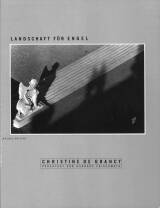
Landschaft für Engel (last copy)
by Christine de Grancy
Euro 80 -
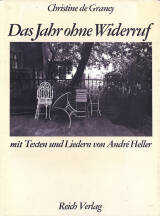
Das Jahr ohne Widerruf
by Christine de Grancy
sold out -
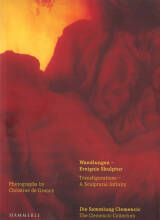
Wandlungen - Ereignis Skulptur / Transfigurations - A Sculptur...
by Christine de Grancy
sold out Euro 30 18.00 -
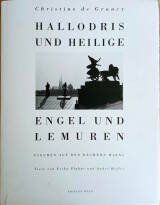
Hallodris und Heilige - Engel und Lemuren
by Christine de Grancy
sold out -
Lebenszeichen (last copy)
by Christine de Grancy
Euro 38 -
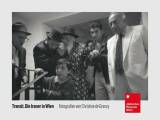
Transit. Die Iraner in Wien
by Christine de Grancy
Euro 40 -
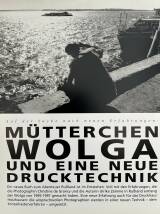
Mütterchen Wolga
by Christine de Grancy
Euro 18 -
Erika Pluhar: Ein Bilderbuch
by Christine de Grancy
Euro 28 -
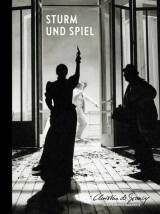
Sturm und Spiel. Die Theaterphotographie der Christine de Grancy
by Christine de Grancy
sold out





more books tagged »Africa« | >> see all
-
THIS IS WHAT HATRED DID (signed - last copy)
by Cristina de Middel
Euro 135 -
Land Rover 1950s
by George Rodger
sold out -
Moving Spirit
by Paul Weinberg
Euro 60 -
THIS IS WHAT HATRED DID (review copy)
by Cristina de Middel
sold out -
Libyan Sugar (last copies)
by Michael Christopher Brown
Euro 125 -
Nothing's in Vain
by Emmanuelle Andrianjafy
Euro 27.50
more books tagged »reportage« | >> see all
-
Ferdinand Schmutzer - A Photographic Discovery (review copy)
by Regina Maria Anzenberger
Euro 75 60.00 -
British Rituals
by David Levenson
Euro 25 -
Die grossen Fotografinnen
by various photographers
sold out -
Andante (last copy)
by Alex Majoli
sold out -
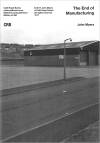
The End of Manufacturing
by John Myers
Euro 25 -
Prestwich Mental Hospital 1972
by Martin Parr
Euro 85



more books tagged »Morocco« | >> see all
-
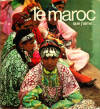
Le Maroc, que j'aime...
by Louis-Yves Loirat
Euro 20 -
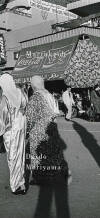
Marrakech
by Daido Moriyama
sold out -
Ouarzazate (signed)
by Mark Ruwedel
sold out -
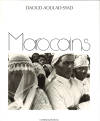
Marocains
by Daoud Aoulad-Syad
sold out
more books tagged »Austrian« | >> see all
-
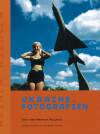
Ukraine. Fotografien (signed - last copy)
by Reiner Riedler
Euro 150 -
Pecorino Calendar 2008
by Toni Anzenberger
Euro 95 -
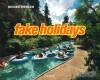
fake holidays (signed - last copy - slightly used)
by Reiner Riedler
sold out -
All about Golf (signed)
by Regina Anzenberger
Euro 63.80 -
Pecorino Calendar 2014
by Toni Anzenberger
sold out -
BUNDESSTRASSE 1
by Peter Köllerer
sold out
more books tagged »desert« | >> see all
-
ECHO
by Jungjin Lee
sold out -
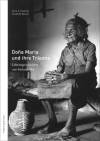
Dona Maria and her Dreams (last two copies)
by Horst A. Friedrichs
Euro 75 -
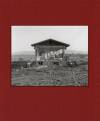
Message from the Exterior
by Mark Ruwedel
Euro 55
more books tagged »black and white« | >> see all
-
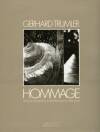
Hommage
by Gerhard Trumler
Euro 35 -
Rura (signed)
by Krzysztof Racon
sold out -
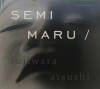
Semi Maru (signed)
by Atsushi Fujiwara
sold out -
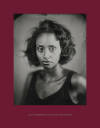
On a Wet Bough (signed - last copy)
by Keliy Anderson-Staley
sold out -
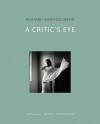
A Critic's Eye
by Richard Bartholomew
sold out -
My Kingdom (signed)
by Txema Salvans
sold out

more books tagged » documentary« | >> see all
-
36 views
by Fyodor Telkov
sold out -
Man Next Door (signed - last copy)
by Rob Hornstra
sold out -
Works (signed - last copy)
by Michael Wolf
sold out -
Son
by Christopher Anderson
sold out -
Italia (signed - last copies)
by Martin Bogren
sold out -
Reading Raymond Carver (last copy)
by Mary Frey
sold out


Random selection from the Virtual bookshelf josefchladek.com

_-_guevara_shashinshu_-_che_(ゲバラ写真集_チェ_ブエノスの灯_編_年現代書館発行);jpg?c=5471bf503c6d5edba926307058db0c41)


Tuareg Women (last copy)
by Christine de Grancy
Photographs: Christine de Grancy
Publisher: Kulturverein Schloss Goldegg
128 pages
Year: 2000
ISBN: 9783901152078
Price: 44 €
Comments: soft cover
From 1984 to 1987 I got to know a smallish part of the Sahara; one in which a never-ending tragedy is taking place. I was working on a book on the lives of one of the endangered tribes in the world, the Sahraouis, in an Algerian refugee camp near Tindouf. The book was to deal with the freedom movement called Frente Polisario. With it's freedom fighters I managed to penetrate into their principal territory: the former colony of Spanish Western Sahara. Morocco has continually claimed this territory, and as a much stronger neighbour, lobbied for it's annexation to it's kingdom. The rest of the world has looked on in indifference as the Kingdom strips the territory of it's sovereignty. It was then that the appalling problems of the Tuaregs in Southern Algeria first came to my attention. In the refugee camps of the Sahraouis, situated in the inhospitable regions of Tindouf, the older women would tell stories about their former nomadic life, contrasting very strongly to their present life in the astonishingly well-organised refugee camps of the Sahraouis. Yet they displayed an iron will to return to their former existence. It was clear to them that, if were they to be given an own state, be it through fighting or tough negotiations, their nomadic lives would have to be altered dramatically. It is impressive how , having very scarce means at their disposal, these people try to adapt to the rhythm of modern life. With calculated steps they try to find a connection to the rest of the world, not letting go of their own traditions, even as refugees, instead, trying to continue a normal life. We Westerners and Europeans, having branded our own style of modernity for generations, can hardly keep up with what we have come to label progress. Our deep-rooted anxiety has been fundamentally destructive. We seem to have ventured out to the edge of the abyss. Oblomov, Iwan Gontscharow's controversial 19th century figure, makes us able and restless modern people see the core of the matter: ''.....we all infect each other with our agonising worries and ennui, all fervently seeking something. Behind this mask of activity lies our true lack of compassion and general emptiness.'' Through this lack of compassion we destroy the variety and richness of life itself, it's nature and the very human beings in their respective differences, which have evolved throughout thousands of years. Now we seem to strive for global unity, possibly the last colonisation of man as a free thinker. Global connection and streamlining of millions of people has become possible through new media and information technology. Western economies with their refined advertising and consumer strategies , tourism and multiple event spectacles all work like drugs to drive humanity into ultimate, possibly not unpeaceful, slavery. People's living conditions on this planet are still varied , sometimes extreme and their adaptability enormous. Let's take Tuareg women as an example, having experienced how they tend to their herds of goats, in correspondence, freedom and respect for the awesome nature of the Sahara desert is an unforgettable experience. To talk about the power and loss of this freedom alone is impossible, as we tend to use the word without really knowing it's deepest and truest meaning. Maybe there is a curse on the sedentary , always dishing up something stiff, monotonous and final, like an early death gnawing away at life. People, who are prepared to transcend the boundaries and risk freedom at each step develop a different perspective on life. On the contrary, those who are captive of their own lethargy, tend to be entirely without any joie de vivre, some of these have produced great prisons. For this reason, Tuareg women, as well as the Sahraouis, fear the rise of Fundamentalism in their vicinity. Until now , their free lifestyle guaranteed a high degree of respect for their husbands, for their freedom and self-worth. The Spanish-Arabic philosopher Averroes-Ibn Ruschd (1126-1198) , strongly influenced by Plato, criticised Muslim attitude to women.'' In our state, we have no idea what capacities women have, other than their reproductive function. For this we turn them into man's servant, to feed and raise children. This destroys whatever other quality is in them. Because women are not recognised as having any other human qualities, they are often compared to plants. The fact that she is seen to be nothing but a burden to man, explains why these states are so poor.'' The apparent matriarchal structure of the Tuaregs defies this. Generally speaking, one could assume that nomadic life in the Sahara necessarily requires alert partners, often having to decide together on survival strategies. This is encapsulated in a saying I picked up from the Sahraouis: ' We'll sleep only when we're dead.' One can still admire the beauty of their dignified walk. 'Targia' is the name for the light yet burdened steps of life. Generations have crossed the Sahara, as they have, searching for the absolutely necessary for their families and animals. Nothing more, nothing less. This taught me the true meaning of the word necessity.
> see also Christine de Grancy's fine art prints
More books by Christine de Grancy
-
Pakistan (signed - last copy)
by Christine de Grancy
Euro 35 -
Lebenszeichen (signed)
by Christine de Grancy
sold out -
Tausend und eine Spur
by Christine de Grancy
Euro 40 -
Die Sahraouis
by Christine de Grancy
Euro 60 -
Chinesen
by Christine de Grancy
Euro 60 -
Landschaft für Engel (last copy)
by Christine de Grancy
Euro 80 -
Das Jahr ohne Widerruf
by Christine de Grancy
sold out -
Wandlungen - Ereignis Skulptur / Transfigurations - A Sculptur...
by Christine de Grancy
sold out Euro 30 18.00 -
Hallodris und Heilige - Engel und Lemuren
by Christine de Grancy
sold out -
Lebenszeichen (last copy)
by Christine de Grancy
Euro 38 -
Transit. Die Iraner in Wien
by Christine de Grancy
Euro 40 -
Mütterchen Wolga
by Christine de Grancy
Euro 18 -
Erika Pluhar: Ein Bilderbuch
by Christine de Grancy
Euro 28 -
Sturm und Spiel. Die Theaterphotographie der Christine de Grancy
by Christine de Grancy
sold out
more books tagged »Africa« | >> see all
-
THIS IS WHAT HATRED DID (signed - last copy)
by Cristina de Middel
Euro 135 -
Land Rover 1950s
by George Rodger
sold out -
Moving Spirit
by Paul Weinberg
Euro 60 -
THIS IS WHAT HATRED DID (review copy)
by Cristina de Middel
sold out -
Libyan Sugar (last copies)
by Michael Christopher Brown
Euro 125 -
Nothing's in Vain
by Emmanuelle Andrianjafy
Euro 27.50
more books tagged »reportage« | >> see all
-
Ferdinand Schmutzer - A Photographic Discovery (review copy)
by Regina Maria Anzenberger
Euro 75 60.00 -
British Rituals
by David Levenson
Euro 25 -
Die grossen Fotografinnen
by various photographers
sold out -
Andante (last copy)
by Alex Majoli
sold out -
The End of Manufacturing
by John Myers
Euro 25 -
Prestwich Mental Hospital 1972
by Martin Parr
Euro 85
more books tagged »Morocco« | >> see all
-
Le Maroc, que j'aime...
by Louis-Yves Loirat
Euro 20 -
Marrakech
by Daido Moriyama
sold out -
Ouarzazate (signed)
by Mark Ruwedel
sold out -
Marocains
by Daoud Aoulad-Syad
sold out
more books tagged »Austrian« | >> see all
-
Ukraine. Fotografien (signed - last copy)
by Reiner Riedler
Euro 150 -
Pecorino Calendar 2008
by Toni Anzenberger
Euro 95 -
fake holidays (signed - last copy - slightly used)
by Reiner Riedler
sold out -
All about Golf (signed)
by Regina Anzenberger
Euro 63.80 -
Pecorino Calendar 2014
by Toni Anzenberger
sold out -
BUNDESSTRASSE 1
by Peter Köllerer
sold out
more books tagged »desert« | >> see all
-
ECHO
by Jungjin Lee
sold out -
Dona Maria and her Dreams (last two copies)
by Horst A. Friedrichs
Euro 75 -
Message from the Exterior
by Mark Ruwedel
Euro 55
more books tagged »black and white« | >> see all
-
Hommage
by Gerhard Trumler
Euro 35 -
Rura (signed)
by Krzysztof Racon
sold out -
Semi Maru (signed)
by Atsushi Fujiwara
sold out -
On a Wet Bough (signed - last copy)
by Keliy Anderson-Staley
sold out -
A Critic's Eye
by Richard Bartholomew
sold out -
My Kingdom (signed)
by Txema Salvans
sold out
more books tagged » documentary« | >> see all
-
36 views
by Fyodor Telkov
sold out -
Man Next Door (signed - last copy)
by Rob Hornstra
sold out -
Works (signed - last copy)
by Michael Wolf
sold out -
Son
by Christopher Anderson
sold out -
Italia (signed - last copies)
by Martin Bogren
sold out -
Reading Raymond Carver (last copy)
by Mary Frey
sold out
Random selection from the Virtual bookshelf josefchladek.com


Tuareg Women (last copy)
by Christine de Grancy
Photographs: Christine de Grancy
Publisher: Kulturverein Schloss Goldegg
128 pages
Year: 2000
ISBN: 9783901152078
Price: 44 €
Comments: soft cover
From 1984 to 1987 I got to know a smallish part of the Sahara; one in which a never-ending tragedy is taking place. I was working on a book on the lives of one of the endangered tribes in the world, the Sahraouis, in an Algerian refugee camp near Tindouf. The book was to deal with the freedom movement called Frente Polisario. With it's freedom fighters I managed to penetrate into their principal territory: the former colony of Spanish Western Sahara. Morocco has continually claimed this territory, and as a much stronger neighbour, lobbied for it's annexation to it's kingdom. The rest of the world has looked on in indifference as the Kingdom strips the territory of it's sovereignty. It was then that the appalling problems of the Tuaregs in Southern Algeria first came to my attention. In the refugee camps of the Sahraouis, situated in the inhospitable regions of Tindouf, the older women would tell stories about their former nomadic life, contrasting very strongly to their present life in the astonishingly well-organised refugee camps of the Sahraouis. Yet they displayed an iron will to return to their former existence. It was clear to them that, if were they to be given an own state, be it through fighting or tough negotiations, their nomadic lives would have to be altered dramatically. It is impressive how , having very scarce means at their disposal, these people try to adapt to the rhythm of modern life. With calculated steps they try to find a connection to the rest of the world, not letting go of their own traditions, even as refugees, instead, trying to continue a normal life. We Westerners and Europeans, having branded our own style of modernity for generations, can hardly keep up with what we have come to label progress. Our deep-rooted anxiety has been fundamentally destructive. We seem to have ventured out to the edge of the abyss. Oblomov, Iwan Gontscharow's controversial 19th century figure, makes us able and restless modern people see the core of the matter: ''.....we all infect each other with our agonising worries and ennui, all fervently seeking something. Behind this mask of activity lies our true lack of compassion and general emptiness.'' Through this lack of compassion we destroy the variety and richness of life itself, it's nature and the very human beings in their respective differences, which have evolved throughout thousands of years. Now we seem to strive for global unity, possibly the last colonisation of man as a free thinker. Global connection and streamlining of millions of people has become possible through new media and information technology. Western economies with their refined advertising and consumer strategies , tourism and multiple event spectacles all work like drugs to drive humanity into ultimate, possibly not unpeaceful, slavery. People's living conditions on this planet are still varied , sometimes extreme and their adaptability enormous. Let's take Tuareg women as an example, having experienced how they tend to their herds of goats, in correspondence, freedom and respect for the awesome nature of the Sahara desert is an unforgettable experience. To talk about the power and loss of this freedom alone is impossible, as we tend to use the word without really knowing it's deepest and truest meaning. Maybe there is a curse on the sedentary , always dishing up something stiff, monotonous and final, like an early death gnawing away at life. People, who are prepared to transcend the boundaries and risk freedom at each step develop a different perspective on life. On the contrary, those who are captive of their own lethargy, tend to be entirely without any joie de vivre, some of these have produced great prisons. For this reason, Tuareg women, as well as the Sahraouis, fear the rise of Fundamentalism in their vicinity. Until now , their free lifestyle guaranteed a high degree of respect for their husbands, for their freedom and self-worth. The Spanish-Arabic philosopher Averroes-Ibn Ruschd (1126-1198) , strongly influenced by Plato, criticised Muslim attitude to women.'' In our state, we have no idea what capacities women have, other than their reproductive function. For this we turn them into man's servant, to feed and raise children. This destroys whatever other quality is in them. Because women are not recognised as having any other human qualities, they are often compared to plants. The fact that she is seen to be nothing but a burden to man, explains why these states are so poor.'' The apparent matriarchal structure of the Tuaregs defies this. Generally speaking, one could assume that nomadic life in the Sahara necessarily requires alert partners, often having to decide together on survival strategies. This is encapsulated in a saying I picked up from the Sahraouis: ' We'll sleep only when we're dead.' One can still admire the beauty of their dignified walk. 'Targia' is the name for the light yet burdened steps of life. Generations have crossed the Sahara, as they have, searching for the absolutely necessary for their families and animals. Nothing more, nothing less. This taught me the true meaning of the word necessity.
> see also Christine de Grancy's fine art prints
More books by Christine de Grancy
-
Pakistan (signed - last copy)
by Christine de Grancy
Euro 35 -
Lebenszeichen (signed)
by Christine de Grancy
sold out -
Tausend und eine Spur
by Christine de Grancy
Euro 40 -
Die Sahraouis
by Christine de Grancy
Euro 60 -
Chinesen
by Christine de Grancy
Euro 60 -
Landschaft für Engel (last copy)
by Christine de Grancy
Euro 80 -
Das Jahr ohne Widerruf
by Christine de Grancy
sold out -
Wandlungen - Ereignis Skulptur / Transfigurations - A Sculptur...
by Christine de Grancy
sold out Euro 30 18.00 -
Hallodris und Heilige - Engel und Lemuren
by Christine de Grancy
sold out -
Lebenszeichen (last copy)
by Christine de Grancy
Euro 38 -
Transit. Die Iraner in Wien
by Christine de Grancy
Euro 40 -
Mütterchen Wolga
by Christine de Grancy
Euro 18 -
Erika Pluhar: Ein Bilderbuch
by Christine de Grancy
Euro 28 -
Sturm und Spiel. Die Theaterphotographie der Christine de Grancy
by Christine de Grancy
sold out
more books tagged »Africa« | >> see all
-
THIS IS WHAT HATRED DID (signed - last copy)
by Cristina de Middel
Euro 135 -
Land Rover 1950s
by George Rodger
sold out -
Moving Spirit
by Paul Weinberg
Euro 60 -
THIS IS WHAT HATRED DID (review copy)
by Cristina de Middel
sold out -
Libyan Sugar (last copies)
by Michael Christopher Brown
Euro 125 -
Nothing's in Vain
by Emmanuelle Andrianjafy
Euro 27.50
more books tagged »reportage« | >> see all
-
Ferdinand Schmutzer - A Photographic Discovery (review copy)
by Regina Maria Anzenberger
Euro 75 60.00 -
British Rituals
by David Levenson
Euro 25 -
Die grossen Fotografinnen
by various photographers
sold out -
Andante (last copy)
by Alex Majoli
sold out -
The End of Manufacturing
by John Myers
Euro 25 -
Prestwich Mental Hospital 1972
by Martin Parr
Euro 85
more books tagged »Morocco« | >> see all
-
Le Maroc, que j'aime...
by Louis-Yves Loirat
Euro 20 -
Marrakech
by Daido Moriyama
sold out -
Ouarzazate (signed)
by Mark Ruwedel
sold out -
Marocains
by Daoud Aoulad-Syad
sold out
more books tagged »Austrian« | >> see all
-
Ukraine. Fotografien (signed - last copy)
by Reiner Riedler
Euro 150 -
Pecorino Calendar 2008
by Toni Anzenberger
Euro 95 -
fake holidays (signed - last copy - slightly used)
by Reiner Riedler
sold out -
All about Golf (signed)
by Regina Anzenberger
Euro 63.80 -
Pecorino Calendar 2014
by Toni Anzenberger
sold out -
BUNDESSTRASSE 1
by Peter Köllerer
sold out
more books tagged »desert« | >> see all
-
ECHO
by Jungjin Lee
sold out -
Dona Maria and her Dreams (last two copies)
by Horst A. Friedrichs
Euro 75 -
Message from the Exterior
by Mark Ruwedel
Euro 55
more books tagged »black and white« | >> see all
-
Hommage
by Gerhard Trumler
Euro 35 -
Rura (signed)
by Krzysztof Racon
sold out -
Semi Maru (signed)
by Atsushi Fujiwara
sold out -
On a Wet Bough (signed - last copy)
by Keliy Anderson-Staley
sold out -
A Critic's Eye
by Richard Bartholomew
sold out -
My Kingdom (signed)
by Txema Salvans
sold out
more books tagged » documentary« | >> see all
-
36 views
by Fyodor Telkov
sold out -
Man Next Door (signed - last copy)
by Rob Hornstra
sold out -
Works (signed - last copy)
by Michael Wolf
sold out -
Son
by Christopher Anderson
sold out -
Italia (signed - last copies)
by Martin Bogren
sold out -
Reading Raymond Carver (last copy)
by Mary Frey
sold out
Random selection from the Virtual bookshelf josefchladek.com


;jpg?c=b7e99aef4a334bd0e150c4c78c8391b6)
